
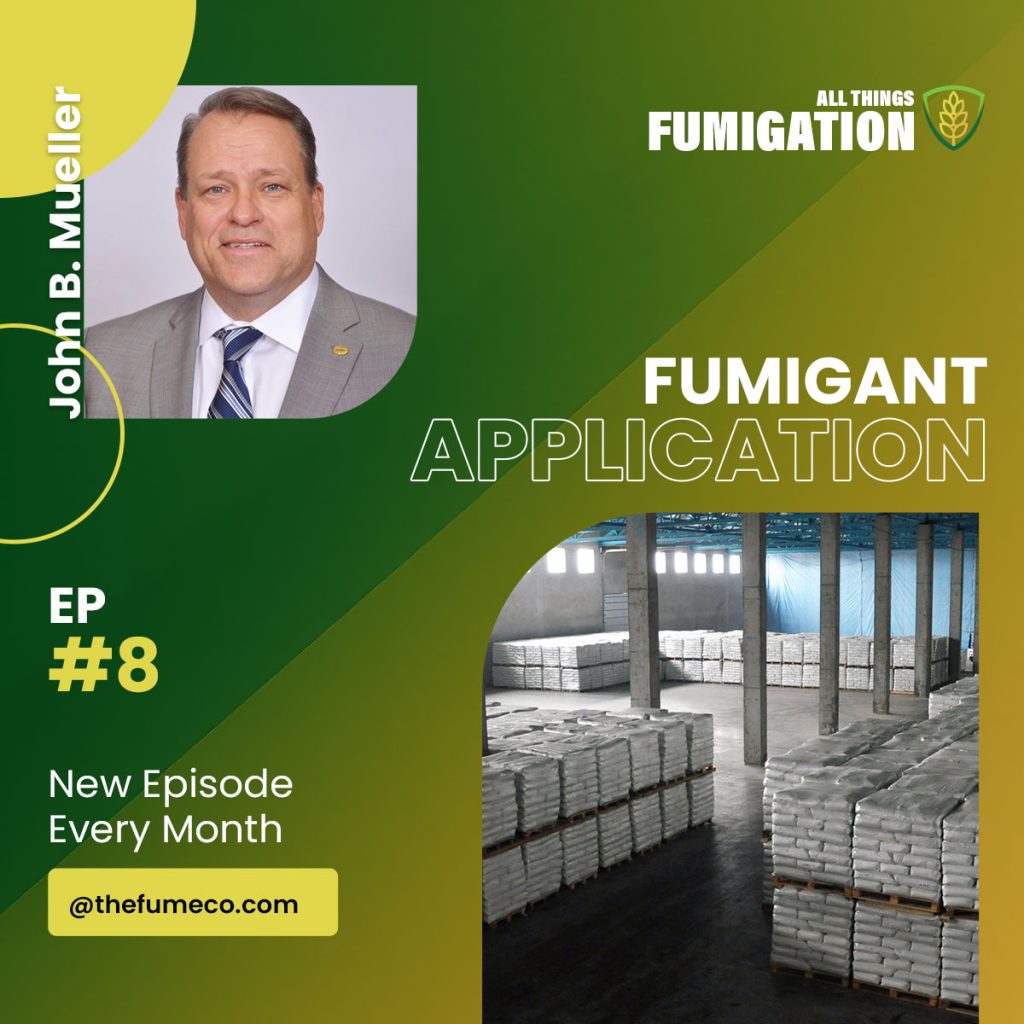
Effective fumigation is a science—and an art—where safety, compliance, and precision are non-negotiable. In Episode 8 of All Things Fumigation, host John B. Mueller, an experienced fumigator and trusted industry authority, breaks down the advanced practices every licensed operator and facility manager must understand for successful gas application. This episode dives deep into the real-world challenges of sealing, dosage calculations, regulatory navigation, and pressure management—translating complex technical concepts into actionable strategies for both fumigation professionals and facility leadership. Whether you’re aiming to ensure regulatory compliance, maximize efficacy, or protect your business from costly mistakes, this blog post delivers expert insights you won’t want to miss.
Key Themes from Episode 8
1. Strategic Sealing and the Art of Fumigant Preparation
Sealing is foundational to any effective and safe fumigation. John emphasizes that while every licensed fumigator knows the regulation—“always follow the federal fumigant label, state, and local laws”—the real skill is navigating tough sealing situations. Facilities often present inaccessible areas or problematic structural features where traditional sealing methods fall short.
“In the planning stage, anything’s possible… We’ve brought in cranes, hired window washers, and even industrial bridge cleaners to rappel and seal challenging areas. Safety can’t be compromised.”
Technical Elaboration:
- Sealing Procedures: Seal all potential leak points before fumigation, even in hard-to-access locations. Utilize specialized contractors when necessary.
- Legal Compliance: Licensed fumigators are legally responsible for their applications; incomplete sealing can compromise safety and violate EPA and state regulations.
- Risk Assessment: If proper sealing isn’t possible, John recommends postponing fumigation rather than risking safety or subpar results.
Pro-Tip:
“Prioritize advanced planning and involve specialized services for challenging sealing jobs. Never proceed if safety or containment is doubtful.”
2. From Tactical to Prescriptive: Navigating Modern Fumigant Labels
Success in fumigant application demands more than following instructions—it requires understanding label evolution and regulatory expectations. The industry is transitioning from legacy, tactical guidance to highly prescriptive, science-based protocols.
“There’s a difference between the tactical behavior of fumigants and the precision nature of how we fumigate. Legacy labels are tactical; modern labels are prescriptive and situational.”
Technical Elaboration:
- Legacy Labels: Older labels (e.g., for methyl bromide, metal phosphides) prescribe broad rates based on structure type, with minimal pest specificity. These are intended as warranty claims, not true dosage guidance.
- Modern/Prescriptive Labels: Newer guidelines (e.g., sulfuryl fluoride, USDA import treatments) tie doses directly to pest biology, temperature, and detailed monitoring results.
- Label Interpretation: Fumigators must correlate dosage rates, application durations, and Ct values (concentration × time) based on pest type and environmental conditions.
- Regulatory Insight: Expect future labels to further emphasize prescribed treatments tailored to site-specific challenges and pests.
Key Takeaway:
“Study treatment manuals and label updates closely—success increasingly depends on matching strategy to pest resistance, not just structure volume.”
3. Precision in Dosage, Monitoring, and Pressure Management
Accurate dosing and real-time monitoring separate average from elite fumigators. John outlines practical tools and benchmarks to ensure treatments remain above critical efficacy thresholds.
“Fumigation is a journey—you must know your starting point and your endpoint. Once you have those, you can follow the path to success.”
Technical Elaboration:
- Dosage Calculations:
- Methyl Bromide: 1 lb/1,000 ft³ = 16 oz dispersed. Know the conversion from solid or liquid to gas.
- Phosphine (Metal Phosphide): One 3-gram tablet off-gases ~1 gram phosphine; 1 gram in 1,000 ft³ equates to 25 ppmV.
- Monitoring: Use tools like mass air blenders, high-range efficacy monitors (e.g., Spectros Instruments), and, for sulfuryl fluoride, digital “FumaGuide” systems.
- Pressure Management: Cylinderized fumigants rapidly increase internal building pressure. Make sure structures aren’t instantly overcoming seals—track each cylinder’s volumetric contribution.
- Maintaining Efficacy: For phosphine, research points to a critical threshold of 500 ppm; fumigators must plan application rates and timing to avoid falling below this “hard deck.”
Pro-Tip:
“Before releasing gas, double-check all seals, pressure points, and ensure your team is clear and secure. A rushed or poorly timed application is the fastest way to compromise safety and results.”
4. Operational Tactics for Different Facility Types
Understanding variations in facility structure and contents is essential for targeted, cost-effective applications.
“Bulk commodities, warehouses, food processing environments—each poses unique gas movement, leakage, and monitoring challenges. Your approach must adjust.”
Technical Elaboration:
- Bulk Storage: Main leak points are typically at the head section and base; gas introduction should balance leak threats and desired travel path.
- Warehouses (Bagged Goods): Gas tends to escape via outer walls and roof. Place application points deeper to displace air, not just mix it.
- Processing Plants: Facilities are often compartmentalized; each sector may require independent dosing and monitoring. Using total volume calculations can lead to dangerous uneven concentrations.
- Weather & Environmental Factors: Monitor wind direction, temperature gradients, and barometric pressure before—and during—application. Timing gas release at night can reduce wind-induced loss.
Key Takeaway:
“Customize your dosing and monitoring strategy to each environment. One-size-fits-all leads to failures and wasted fumigant.”
Episode 8 of All Things Fumigation reinforces that truly effective fumigant application blends regulatory understanding, technical fluency, and field-tested strategy. Whether you operate as a licensed fumigator or manage a facility targeted for treatment, mastering these principles ensures pest control success, safety, and legal compliance. From meticulous sealing through advanced label interpretation to real-time monitoring and pressure control, adopting these expert strategies will elevate your operations and protect your business.
Listen to the Full Episode
To explore these topics further, listen to the complete episode on your preferred podcast platform.
Watch on YouTube
You can also watch the full video episode on our YouTube channel.
Subscribe
Subscribe to All Things Fumigation for expert insights on safety, innovation, and cost-effective strategies. Never miss an episode!
Contact Us
Need expert fumigation consulting? Schedule a consultation with The Fumigation Company today.
Stay informed. Stay compliant. Stay protected—with All Things Fumigation and The Fumigation Company.